
The Central Bank of Nigeria (CBN) has introduced data localisation requirements for Nigeria’s payments system, mandating that payment transaction data generated within the country be stored and managed domestically, with full compliance expected by January 1, 2027.
For banks, fintechs, payment service providers (PSPs), and enterprise technology leaders, this directive extends far beyond simple server geography. It carries strategic implications for cloud adoption, cybersecurity, regulatory compliance, enterprise architecture, and operational resilience.
The Executive Takeaway: The directive should not be viewed merely as a compliance tax. It presents a timely opportunity to modernize digital infrastructure, strengthen governance, and eliminate operational friction across the enterprise.
Understanding CBN Data Residency Directive
The CBN’s directive applies across the entire payment ecosystem, including:
1. Deposit Money Banks & Merchant Banks
2. Microfinance Banks & Mobile Money Operators
3. Payment Service Providers (PSPs) & Payment Solution Service Providers (PSSPs)
4. Payment Terminal Service Providers (PTSPs), Switching Companies, & Super Agents
The objective is to strengthen domestic control over regulated payment transaction data while improving regulatory oversight, security, and systemic resilience. For affected organizations, the immediate priority is identifying precisely where regulated data is stored, processed, transferred, and managed.
The Twin Pillars: Localized Storage AND Localized Management
The regulator explicitly specifies that payment transaction data must not only be stored in Nigeria, but also managed in Nigeria:
1.. Storage Localisation: Primary databases, transaction ledgers, archival logs, and disaster recovery (DR) backups containing Nigerian payment records must reside on physical infrastructure within Nigerian borders.
2.. Management Localisation: Supervisory control, administrative access, and operational oversight must be exercised locally. Hosting data inside a domestic data center while leaving administrative credentials and operational control exclusively with offshore entities creates direct non-compliance exposure under the new regulatory framework.
What the Directive Really Means
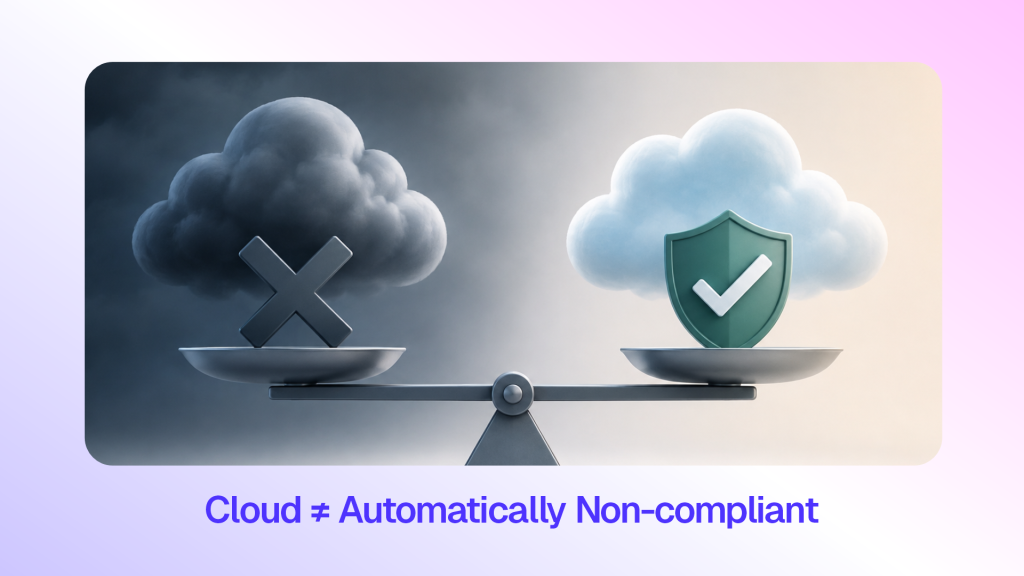
One of the largest misconceptions surrounding data localisation is that financial institutions must completely abandon cloud computing or retreat to on-premises hardware.
The focus of the directive is on where regulated payment data is stored and managed, not on eliminating modern cloud technology. Public cloud environments, private infrastructure, hybrid architectures, and APIs continue to play vital roles, provided the overall deployment meets applicable regulatory and security requirements.
Globally, this aligns with a broader shift toward digital sovereignty. According to UNCTAD’s Global Cyberlaw Tracker, 79% of nations have enacted data protection and privacy legislation. Nigeria enforces this framework through the Nigeria Data Protection Act (NDPA), establishing clear standards for personal data governance.
Why This Directive Matters
1. Strengthening Data Sovereignty: Financial transaction data is a national strategic asset. Retaining regulated payment records onshore enhances sovereign control and aligns with global governance trends.
2. Improving Regulatory Oversight: Centralized local oversight streamlines audits, reporting, and compliance reviews for regulatory bodies.
3. Enhancing Cybersecurity & Resilience: Localized, well-monitored environments improve threat visibility, system recovery, and business continuity during disruptions.
3. Modernising Enterprise Operations: An organization may successfully localize its database infrastructure while leaving its day-to-day operations fragmented across emails, spreadsheets, and disconnected SaaS apps. The real dividend lies in modernizing the processes that surround the data.
Strategic Implications for Technology Leaders
Technology and compliance executives should evaluate five core operational pillars:
1. Cloud Strategy: Audit current data residency boundaries to ensure payment transaction flows align with CBN expectations.
2. Data Classification: Separate regulated payment transaction data and customer PII from general corporate workloads to apply appropriate governance controls.
3. Enterprise Architecture: Combine on-premises setups, local private clouds, and hybrid integration layers without creating security or operational blind spots.
4. Workflow Architecture: Examine how contracts, procurement approvals, vendor onboarding, and signatures move across departments. Disconnected tools lead to delayed approvals, poor audit visibility, and high operating costs.
The Executive Preparation Roadmap
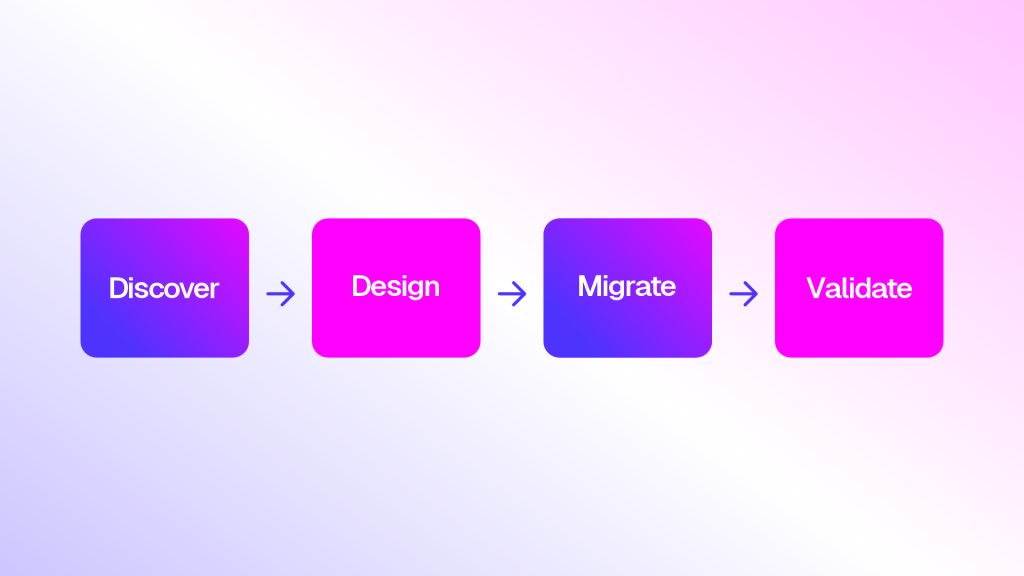
To achieve full compliance before the January 1, 2027 deadline, leadership teams should execute a structured preparation framework:
1. Review Data Storage Locations: Identify all databases, cloud buckets, and backups housing regulated payment data.
2. Map Data Flows: Track data movement between internal applications, external APIs, and third-party vendors.
3. Classify Data Assets: Differentiate regulated payment records from general enterprise telemetry.
4. Audit Critical Workflows: Pinpoint operational bottlenecks caused by manual handoffs, unintegrated e-signatures, and disconnected procurement tools.
5. Evaluate Third-Party Vendors: Ensure cloud and software partners adhere to domestic residency and security standards.
6. Test Readiness Early: Conduct stress testing and parallel workflow runs well ahead of 2027.
Connecting Data Sovereignty to Operational Control With Flowmono
Regulation is often treated as a constraint, but it functions as a powerful catalyst for enterprise modernization. Organizations that utilize this transition to eliminate operational silos build long-term agility and trust.
Localizing data solves the infrastructure requirement, but organizations also require complete control over business processes. If approvals stay buried in email chains, contracts remain scattered, and electronic signatures run independently from core systems, operational friction persists.
Flowmono provides the unified software layer that connects documents, signatures, and business workflows directly to secure, compliant infrastructure:
1. Flowmono E-Sign: Digitizes document approvals and legally binding signatures while maintaining complete, tamper-proof audit trails.
2. Flowmono Automate: Orchestrates complex multi-departmental workflows, eliminating manual follow-ups and administrative delays.
3. Flowmono Drive: Centralizes document management and record retention with granular access controls and encryption.
Flowmono does not replace your core banking systems; it eliminates the manual operational friction surrounding them.
Strategic Questions for Enterprise Leadership
As your organization prepares for the 2027 mandate, leadership teams should evaluate two fundamental questions:
1. Where does our data reside?
2. How does work move through our organization?
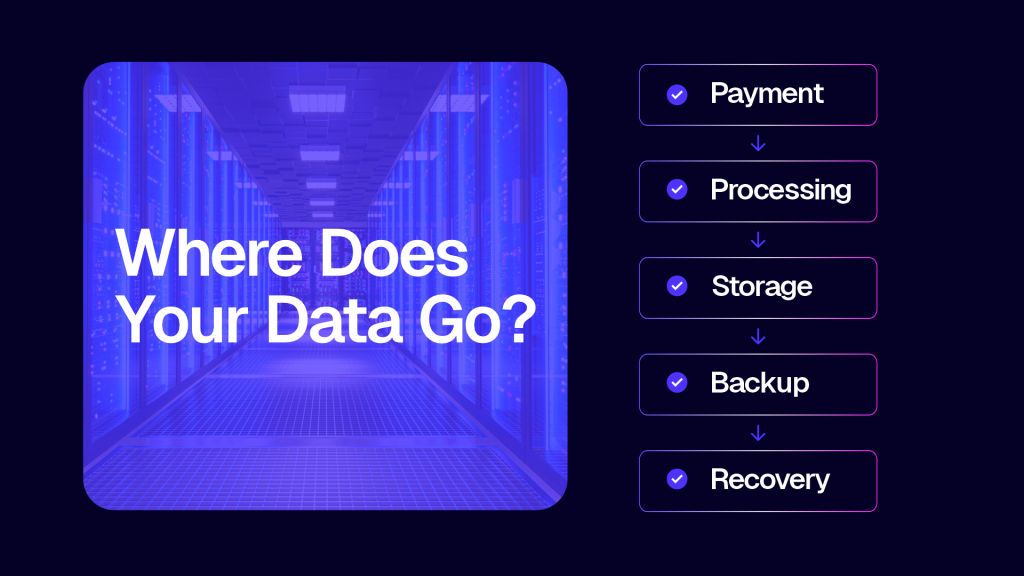
Institutions that address both questions simultaneously will satisfy regulatory mandates while establishing a faster, cleaner, and more resilient operational foundation.
Streamline Your Transition with Flowmono
Modernize your enterprise processes and secure your document workflows with local compliance built-in. Explore Flowmono E-Sign for compliant digital agreements.
