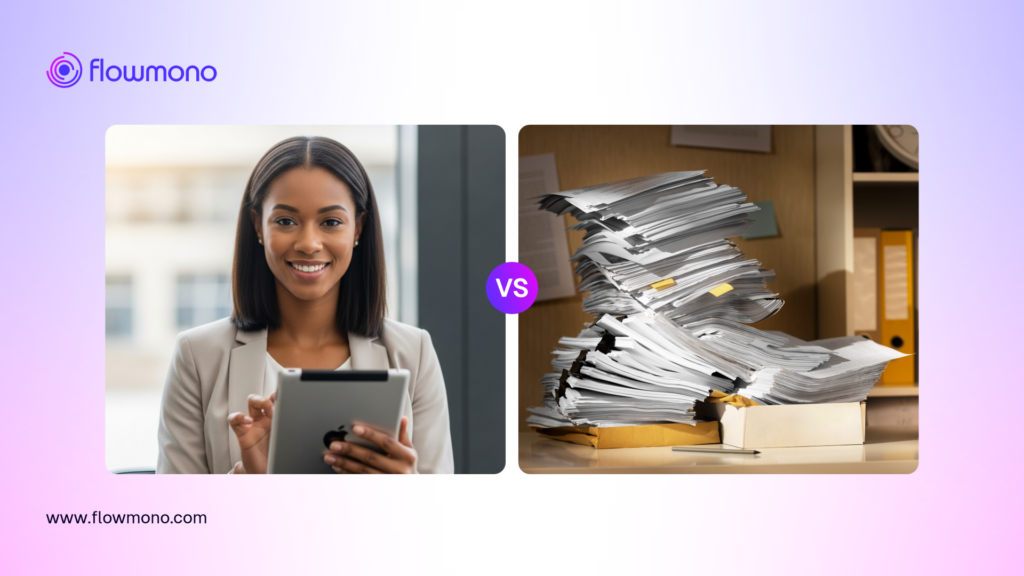
In the modern enterprise, a contract is more than just a legal agreement; it is a living document that dictates the rhythm of business. However, many organizations still treat contract management as a fragmented series of events: a draft in a word processor, an email chain for negotiations, a separate tool for signing, and a dusty digital folder for storage.
This “siloed” approach is the primary cause of contract leakage, where businesses lose value due to missed deadlines, unmonitored renewals, or invisible bottlenecks. To truly master the contract lifecycle, leaders are turning to Document Drive, a centralized, intelligent architecture that governs a contract from its first draft to its final archival.
1. Centralized Drafting and Template Standardization
The lifecycle begins with creation. One of the biggest risks in contract management is the use of “rogue” templates or outdated legal clauses. A Document Drive approach eliminates this by providing a centralized repository of pre-approved templates.
By using a single “AI Workflow Operating System,” teams can generate high-quality contracts in seconds. This standardization doesn’t just save time; it ensures that every document leaving the organization is compliant with current legal standards, protecting the business from the very first word.
2. Real-Time Collaboration and Negotiation
The “middle” of the contract lifecycle—the negotiation phase—is traditionally where speed goes to die. Emails with titles like Contract_Final_v2_EDITED create confusion and version-control risks.
With an integrated Document Drive, negotiation happens in a shared, secure environment. Stakeholders can track changes, leave comments, and view version histories in real-time. This transparency ensures that everyone is working on the most recent iteration, reducing the negotiation cycle from weeks to days and ensuring that no critical redline is ever overlooked.
3. The Seamless Transition to Execution
The most critical moment in the lifecycle is the transition from “Agreed” to “Signed.” In a fragmented system, this is where the momentum often stalls as documents are manually moved into a signing tool.
In an end-to-end lifecycle model, the Document Drive is natively linked to the signature engine. Once the final version is approved, the signing request is triggered automatically. This “zero-handoff” transition ensures that the parties sign while the momentum is high, significantly increasing the “Close Rate” for sales and procurement deals alike.
4. Intelligent Archival and Proactive Monitoring
Most contracts are “forgotten” once signed, which is a major strategic error. A Document Drive turns an archive into an active asset. By using metadata tagging, the system can track key dates, such as expiration periods, price escalations, or renewal windows.
Instead of waiting for a vendor to increase prices or a lease to expire unexpectedly, the system sends proactive alerts to the relevant stakeholders. This allows the organization to move from reactive fire-fighting to proactive strategic planning, ensuring that every contract delivers its maximum intended value.
5. Automated Audit Trails and Compliance
For industries like Banking, Insurance, and Healthcare, the ability to reconstruct a contract’s history is a regulatory requirement. A Document Drive automatically generates a comprehensive audit trail that records every view, edit, and signature.
This forensic record is invaluable during audits or legal disputes. Rather than spending weeks gathering evidence, compliance teams can pull a complete “Life History” of any contract with a single click. This level of readiness reduces legal overhead and reinforces the organization’s reputation for digital trust.
6. Integration Across the Enterprise Ecosystem
A contract doesn’t exist in a vacuum; it needs to talk to your CRM, ERP, and project management tools. Mastering the lifecycle means ensuring that once a contract is signed, the data within it flows where it’s needed.
Whether it’s triggering an invoice in your finance software or updating a client’s status in your CRM, an integrated Document Drive serves as the “Hub” of your business data. This connectivity ensures that the “intent” captured in the contract is immediately translated into “action” across the entire company.
From Paperwork to Process Excellence
Mastering the end-to-end contract lifecycle is about shifting the focus from the document to the workflow. When you move away from fragmented tools and toward a unified Document Drive, you gain more than just speed—you gain visibility, security, and a significant competitive advantage.
For organizations looking to implement this level of mastery, Flowmono offers a sophisticated, all-in-one platform. By combining advanced document storage with workflow automation and secure e-signatures, Flowmono provides the end-to-end infrastructure required to manage the modern contract lifecycle. Whether you are a scaling startup or a Tier-1 financial institution, Flowmono helps you turn your contracts from static files into engines of business growth.
